Ngorongoro Crater
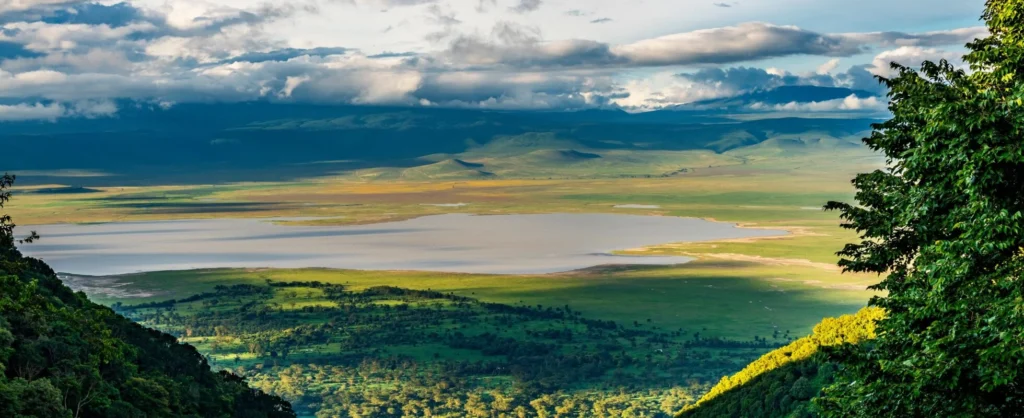
Ngorongoro Crater is one of Africa’s most extraordinary natural wonders and a UNESCO World Heritage Site. Formed over two million years ago after a massive volcanic eruption, the crater is the world’s largest intact, unflooded volcanic caldera, measuring about 20 kilometers wide. Its steep walls enclose a rich ecosystem that functions like a natural wildlife sanctuary. The dramatic scenery—from misty crater rims to open grasslands and soda lakes—creates one of the most iconic safari landscapes in Tanzania and the entire African continent.
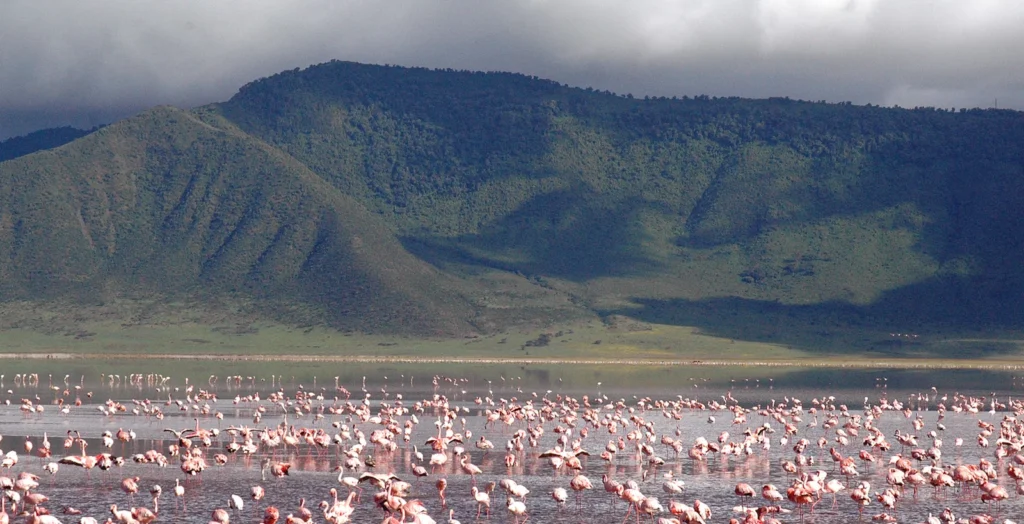
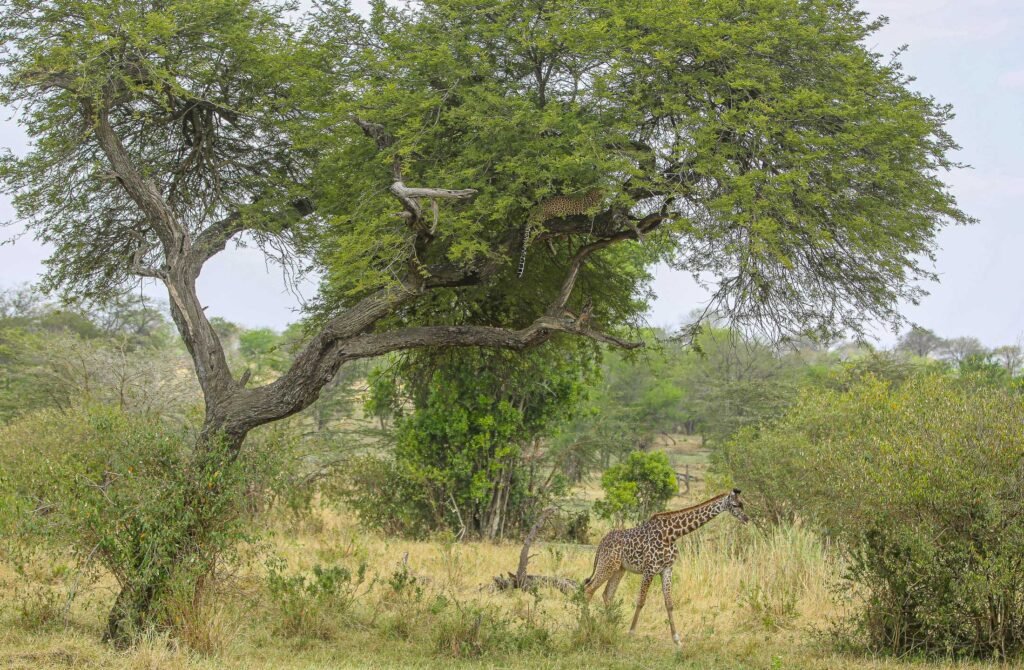
The crater floor is home to an exceptional concentration of wildlife, offering some of the best game viewing in Africa throughout the year. Visitors can expect to see large herds of wildebeest, zebras, and buffalo, as well as elephants with impressive tusks. Ngorongoro is also one of the few places in Tanzania where the critically endangered black rhino can be spotted in the wild. Predators are abundant, including lions, hyenas, and leopards, making the crater famous for its balanced and self-sustaining ecosystem. Lake Magadi, a shallow soda lake at the center, attracts flamingos and other water birds, adding vibrant color to the landscape.
Beyond wildlife, Ngorongoro Crater holds deep cultural and conservation significance. It lies within the Ngorongoro Conservation Area, where wildlife coexists with the Maasai people who continue their traditional pastoral lifestyle. This unique model of conservation protects both natural heritage and human culture. A safari into the crater is not just a game drive—it is a journey into one of the last remaining places on Earth where nature remains largely unchanged. For many travelers, Ngorongoro Crater is the highlight of a Tanzania safari, offering unforgettable scenery, wildlife, and history in one remarkable destination.
Our Client Says
GOODTrustindex verifies that the original source of the review is Google. All thanks to Serelyne safe safari for conduct this 6 days safari it was amazing and i enjoyed alot so Serelyne a the best upcoming company there a goodPosted onTrustindex verifies that the original source of the review is Google. Serelyne safe safari's A the best all the timePosted onTrustindex verifies that the original source of the review is Google. I have real enjoying the safari with Serelyne Safe Safaris. It was real amazing and memorable moment for sure, See you next time in my holiday.Posted onTrustindex verifies that the original source of the review is Google. I had a nice traveling with SERELYNE SAFE SAFARIS and i exprecence Nice care And am happy next tine will travel with themPosted onTrustindex verifies that the original source of the review is Google. Serelyne are the the best always at allPosted onTrustindex verifies that the original source of the review is Google. SERELYNE ARE THE BEST ALL THANKS TO JOLLY AND SAMWEL